Looking to save money on your mortgage but feeling overwhelmed by all the refinancing options? You’re not alone.
Choosing the right refinance term can be confusing, and picking the wrong one could cost you more in the long run. That’s where a Refinance Term Comparison Tool comes in. It helps you see your options side-by-side, so you can make smart choices that fit your financial goals.
Keep reading to discover how this simple tool can put you in control of your mortgage and save you thousands over time.
What Is A Refinance Term Comparison Tool
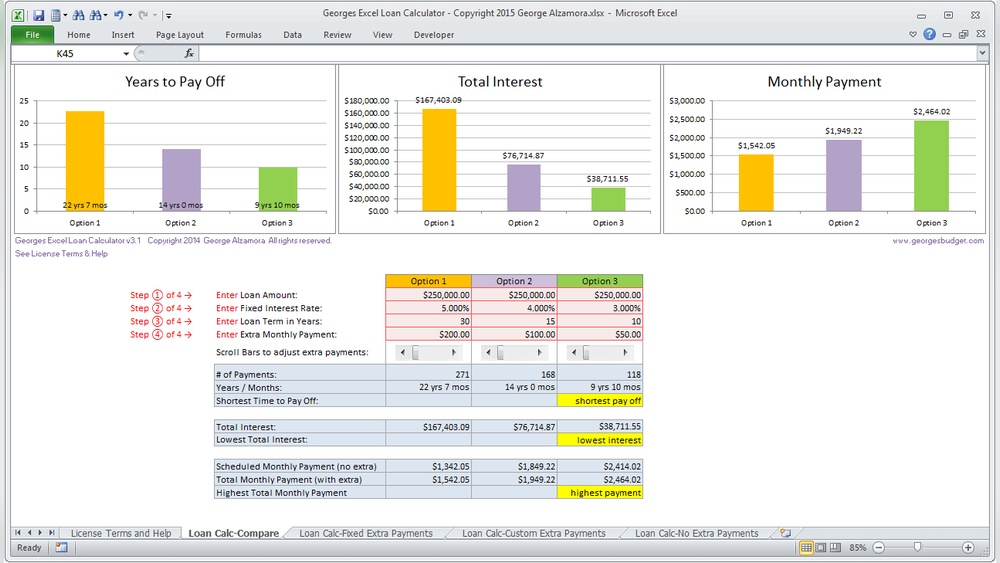
A refinance term comparison tool helps you compare different loan terms. It shows how long each loan lasts and the costs involved. This tool lets you see monthly payments for each term side by side. It helps you find a loan term that fits your budget and goals.
Using this tool, you can check interest rates, monthly payments, and total costs for different loan lengths. You can see if a shorter or longer term saves you money. It makes the choice clear and simple.
The tool is easy to use. Enter your loan amount, current rate, and possible new rates. Then, it shows a clear comparison. This helps you make a smart decision about refinancing.

How Refinance Tools Work
Input your current loan details like balance, interest rate, and term length. This step sets the base for comparison.
Compare multiple loan terms side-by-side. The tool shows options such as 15, 20, or 30-year loans. It helps spot the best fit for your budget.
Estimate monthly payments for each loan choice. This reveals what you might pay every month, making it easier to plan finances.
Calculate potential savings by refinancing. The tool shows how much interest you could save over time. Savings depend on rates and loan length.
Benefits Of Using Refinance Calculators
Refinance calculators help find lower interest rates quickly. They compare your current loan with new offers side by side. This shows if a new loan saves money or costs more.
These tools also reveal better loan terms, like shorter payback times or smaller monthly payments. They make complex numbers easy to understand.
Break-even points are clear. You see how long it takes for savings to cover refinancing fees. This helps decide if refinancing makes sense.
Calculators also warn about hidden costs such as closing fees or penalties. Being aware of all expenses avoids surprises later.
Key Factors To Consider When Comparing Terms
Loan duration affects how long you pay off your loan. A shorter term means higher monthly payments but less total interest. A longer term lowers monthly payments but increases total interest paid. Choose a term that fits your budget and goals.
Interest rates can change your total cost greatly. Even a small rate drop saves money over time. Compare fixed and variable rates to see which suits you best.
Closing costs and fees add to the refinance price. These may include appraisal, application, and title fees. Check all fees before deciding to refinance.
Monthly payments change with loan terms and rates. Lower payments can free up cash but may lengthen debt. Higher payments reduce debt faster but can strain your budget.
Popular Refinance Tools And Features
PennyMac Refinance Calculator helps you estimate monthly and lifetime savings. It shows if refinancing lowers your payment or interest rate. Bankrate Mortgage Calculator is simple to use and estimates how much you save by refinancing. Fannie Mae Refinance Tool calculates how much money you might save each month. Zillow Refinance Calculator helps check if refinancing meets your financial goals like lowering payments. Bank of America Refinance Estimator calculates estimated monthly payments and shows rate options. Navy Federal Break-Even Calculator tells you how long to keep your loan to save money. U.S. Bank Cash-Out Options show how to use your home’s equity for cash.
| Tool | Main Feature | Best For |
|---|---|---|
| PennyMac | Monthly & lifetime savings estimate | Checking payment and interest rate savings |
| Bankrate | Easy savings calculation | Quick refinance cost and savings |
| Fannie Mae | Monthly saving potential | Understanding monthly cash flow |
| Zillow | Financial goal evaluation | Lowering monthly payments |
| Bank of America | Payment & rate options | Estimating new loan costs |
| Navy Federal | Break-even analysis | Knowing when refinancing pays off |
| U.S. Bank | Cash-out equity options | Using home equity for cash |
Tips For Making Smart Refinance Decisions
Set clear financial goals before choosing a refinance option. Decide if you want to lower monthly payments, reduce interest rates, or pay off your loan faster. Knowing your goals helps pick the best term and rate.
Check your credit score early. A higher score often means better refinance deals. Fix any errors on your report to improve your chances of approval and get lower interest rates.
Watch the market trends to find the best time to refinance. Interest rates change often. Refinancing when rates are low can save you a lot of money over time.
Talk with mortgage professionals. They can explain terms clearly and offer advice based on your situation. Their experience helps avoid costly mistakes and find the best refinance plan.
Common Mistakes To Avoid
Ignoring long-term costs can cause surprises later. A low monthly payment might mean paying more interest overall. Always check the total amount paid over the loan’s life. Overlooking fees and penalties is common. Some loans charge fees for early payoff or application. These can add up and reduce savings. Failing to compare multiple offers limits your options. Different lenders have different rates and terms. Comparing helps find the best deal. Rushing the refinancing process can lead to mistakes. Take time to read all documents and ask questions. A careful approach saves money and stress.

How To Use The Comparison Tool Effectively
Gather exact loan details such as current balance, interest rate, and remaining term. This info ensures the tool gives correct comparisons.
Enter all numbers carefully. Double-check each figure before submitting. Mistakes can lead to wrong results.
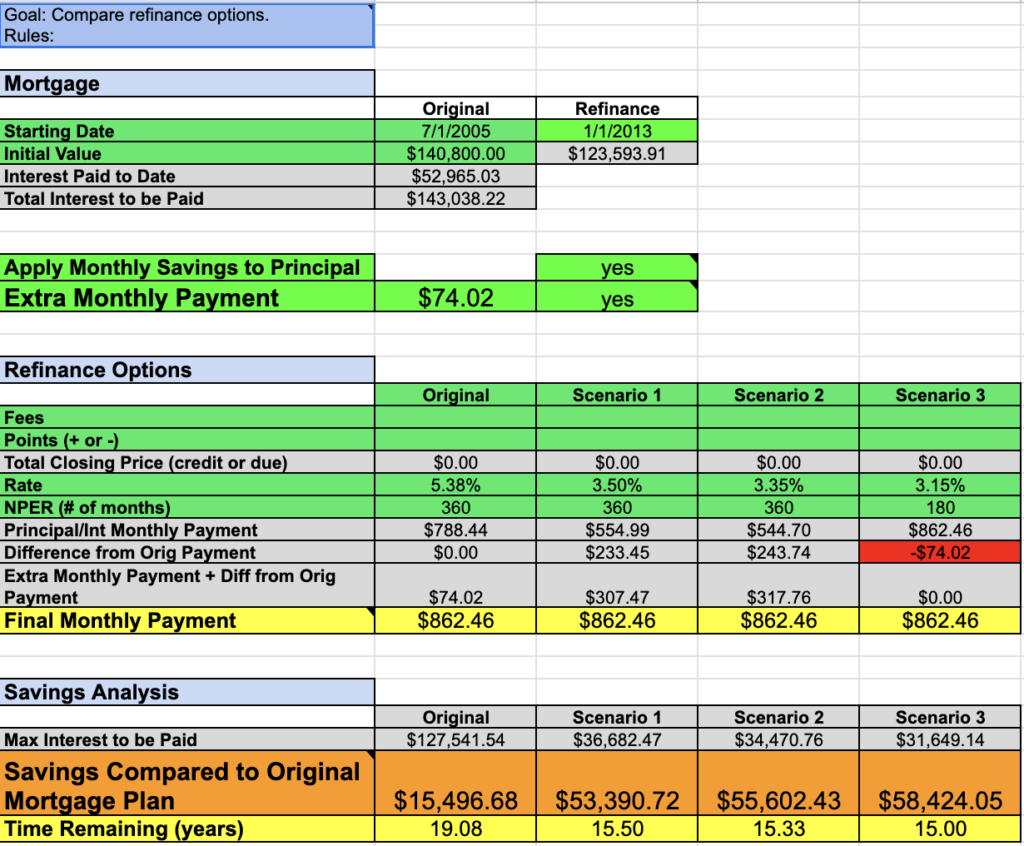
Look at the results closely. Compare monthly payments, total interest, and loan length. Notice which option fits your budget and goals best.
Think about how long you plan to keep the loan. Choose a term that saves money but stays affordable. Use the tool to make smart decisions about refinancing.
Frequently Asked Questions
What Is A Refinance Term Comparison Tool?
A refinance term comparison tool helps compare different loan terms. It shows interest rates, monthly payments, and total costs. This aids in choosing the best refinancing option for your mortgage.
How Does Refinancing Save Me Money?
Refinancing can lower your interest rate and monthly payment. It may reduce your total loan cost over time. Savings depend on your new loan terms and closing costs.
Which Loan Terms Should I Compare When Refinancing?
Compare interest rates, loan length, and monthly payments. Also consider closing costs and potential savings. The right term depends on your financial goals and how long you plan to stay in your home.
Can I Use A Refinance Tool For Cash-out Options?
Yes, some refinance tools include cash-out mortgage options. They help calculate how much cash you can access. This can be useful for home improvements or paying off debt.
Conclusion
Choosing the right refinance term can save you money and stress. Use a refinance term comparison tool to see different options clearly. It helps you compare rates, monthly payments, and total costs side by side. This way, you can pick the term that fits your budget and goals best.
Taking time to compare now can lead to smarter financial decisions later. Start with simple tools to understand your choices better. Make your mortgage work for you by choosing wisely.