Are you tired of high monthly payments eating into your budget? What if you could lower your interest rate and save money every month?
Exploring lower interest refinance options could be the key to unlocking extra cash and reducing your financial stress. Whether you want to pay off your mortgage faster, reduce your monthly bills, or tap into your home’s equity, refinancing might offer solutions tailored just for you.
Keep reading to discover how you can take control of your finances with smart, simple refinance choices that fit your unique needs.
Refinance Basics
Refinancing means replacing your old loan with a new one. This new loan usually has a lower interest rate. A lower rate helps by reducing the cost of borrowing money.
Lower interest means your monthly payments go down. You pay less in total over the life of the loan. This can free up money for other needs.
People should consider refinancing when rates drop below their current rate. Also, when their financial situation improves or loan terms need changing. Refinancing can make sense if you plan to stay in your home for a long time.

Types Of Refinance Options
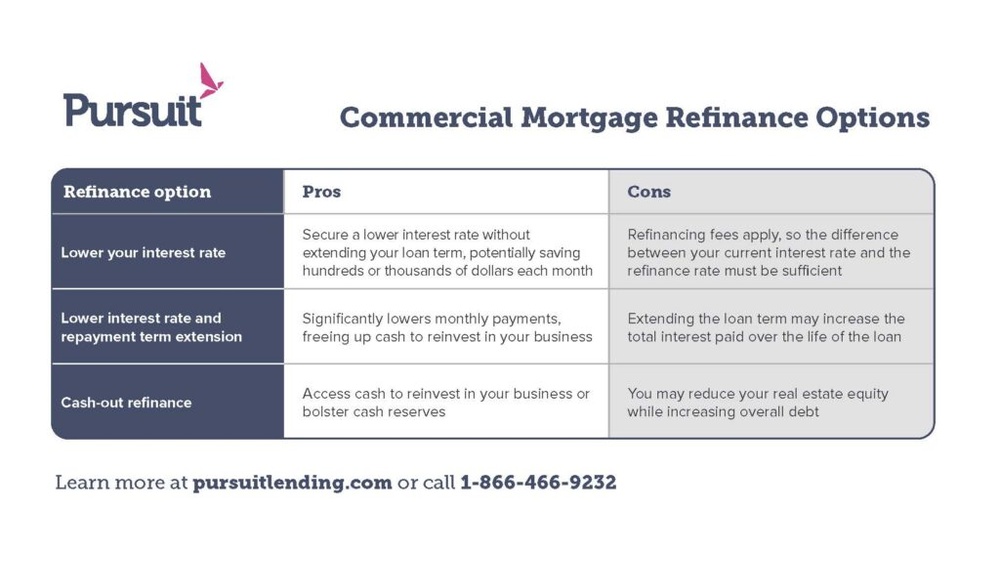
Rate-and-Term Refinance helps lower your interest rate or change your loan term. This can reduce monthly payments and save money over time. It does not add extra cash to your loan balance.
Cash-Out Refinance lets you borrow more than your current mortgage. You get the extra cash for other needs. Interest rates may be higher than rate-and-term refinance.
Limited Cash-Out Refinance allows small cash withdrawals while getting better loan terms. It is easier to qualify for than a full cash-out refinance.
USDA Streamline Refinance is for rural homeowners with USDA loans. It offers lower rates with less paperwork and no appraisal needed.
Benefits Of Lower Interest Refinance
Lower interest refinance can greatly ease your financial burden. It helps in reducing monthly payments, making it easier to manage your budget. With smaller payments, you gain more financial freedom and less stress.
Shortening loan terms means you pay off your loan faster. This can save you a lot of money on interest over time. Even with a shorter term, your payments might stay manageable due to lower rates.
Increasing home equity happens as you pay down your loan quicker. More equity means more value in your home. This can help if you want to sell or borrow against your home later.
Consolidating debt lets you combine several debts into one payment. This can lower your overall interest rate and simplify your finances. It also helps avoid missing payments and improves credit scores.

Comparing Lenders And Rates
Fixed rates stay the same during the loan term. They offer predictable payments and stability. Variable rates can change with the market. They might start low but could rise later. Choosing depends on your risk tolerance and plans.
Online loan marketplaces let you compare many lenders at once. They show interest rates, fees, and terms side by side. This saves time and helps find the best deal.
| Loan Feature | What to Check |
|---|---|
| Interest Rate | Look for the lowest rate to save money. |
| Loan Term | Shorter terms mean higher payments but less interest. |
| Fees | Watch for origination, application, and closing fees. |
| Prepayment Penalty | Check if paying off early costs extra. |
Qualifying For Lower Interest Rates
Credit score plays a big role in getting lower interest rates. A higher score shows lenders you are less risky. Scores above 700 usually get better offers. Scores below 620 might face higher rates or rejection.
Income and employment verification prove you can repay the loan. Lenders ask for pay stubs, tax returns, or bank statements. Stable and steady income helps qualify for better rates. Gaps in employment may cause doubts.
Home appraisal checks your property’s current value. A higher appraisal means more equity and better refinance terms. Low appraisals can limit the loan amount or raise rates. An accurate appraisal protects both borrower and lender.
Steps To Refinance Your Mortgage
Start by gathering important financial documents. This includes pay stubs, tax returns, and bank statements. These papers prove your income and financial health.
Next, apply for the refinance loan. Choose a lender and fill out the application form. You will need to provide your financial documents and details about your current mortgage.
Finally, prepare to close the loan. Review all terms carefully. Sign the new loan papers and pay any closing costs. This step makes your refinance official.
Potential Risks And Considerations
Closing costs and fees can add up quickly during refinancing. These costs might include appraisal fees, title insurance, and lender charges. Sometimes, these fees can be rolled into the new loan, but that may increase the loan amount.
The impact on loan term is important. Refinancing could extend the loan term, meaning more interest paid over time. Shortening the loan term may raise monthly payments but reduce total interest paid.
Effect on home equity should be considered carefully. Cash-out refinancing reduces equity because it increases the loan balance. Lower equity can affect your financial flexibility and future borrowing options.
Tips To Maximize Savings
Timing your refinance is key to saving money. Interest rates change often. Watch rates for a few weeks before applying. Refinancing when rates are low can cut your monthly payment.
Negotiating with lenders can help you get better terms. Ask for lower fees or a better rate. Compare offers from several lenders to find the best deal. Don’t hesitate to ask questions about all costs.
Avoiding common mistakes saves time and money. Check your credit score before applying. Fix errors on your credit report to get better rates. Read all loan terms carefully. Avoid refinancing if fees are too high or savings are small.
:max_bytes(150000):strip_icc()/2-22Line-f1b1b2765f7243b896e202d28545054c.png)
Frequently Asked Questions
What Is The 2% Rule For Refinancing?
The 2% rule for refinancing means your new interest rate should be at least 2% lower than your current rate. This helps ensure meaningful savings on monthly payments and overall loan costs.
How To Get A 4% Interest Rate On A Mortgage?
Secure a 4% mortgage interest rate by improving your credit score, increasing your down payment, and shopping multiple lenders. Consider refinancing when rates drop.
Will Home Interest Rates Ever Get To 3% Again?
Home interest rates might reach 3% again, but it depends on economic factors and Federal Reserve policies. Rates fluctuate over time.
Is It Worth Refinancing For A 1% Interest Drop?
Refinancing for a 1% interest drop often saves money on monthly payments and total interest. Evaluate closing costs and loan terms before deciding.
Conclusion
Choosing the right refinance option can save you money each month. Lower interest rates mean smaller payments and less stress. Compare offers carefully to find the best fit for your needs. Refinancing can help you pay off your loan faster or free up cash.
Take your time, review your options, and act when you feel ready. Small steps today can lead to big savings tomorrow.