
Looking to save money on your mortgage? Finding the best refinance rate can make a huge difference in your monthly payments and overall savings.
But with so many lenders and offers out there, how do you know which rate truly works for you? This guide will help you compare the top refinance rates side-by-side, so you can spot the best deal quickly and confidently.
Keep reading to discover how a smart refinance choice can put more money back in your pocket and give you peace of mind. Your wallet will thank you.

Refinance Rate Basics
A refinance rate is the interest rate on a new loan. This loan pays off an existing mortgage. People choose refinancing to get lower monthly payments or to change loan terms.
Several factors influence refinance rates. These include credit score, loan amount, and current market conditions. Higher credit scores usually get better rates. Loan type and term length also matter. Economic changes can make rates rise or fall.
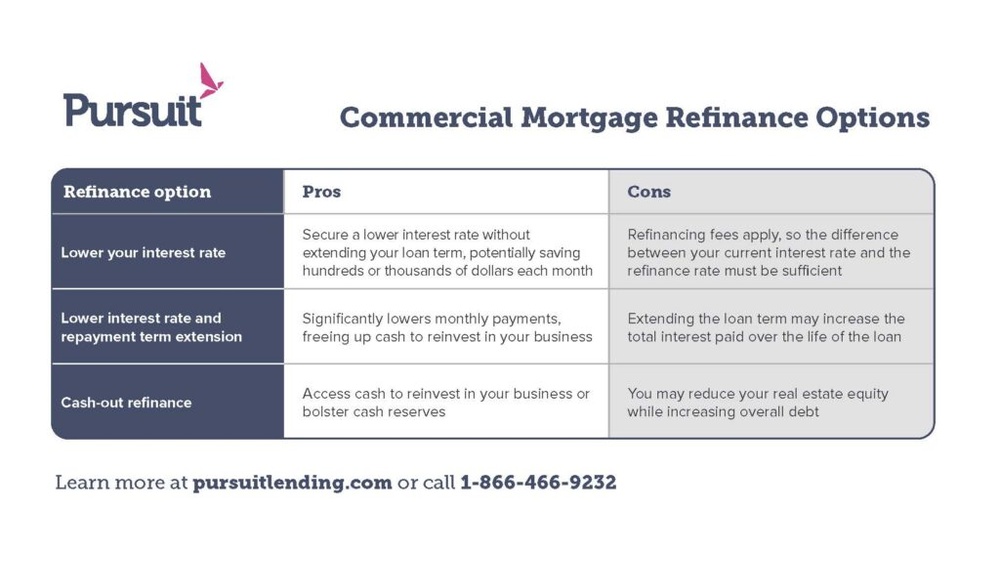
There are different types of refinance loans. A rate-and-term refinance changes the interest rate or loan period. A cash-out refinance lets borrowers take out extra money. Each type serves different financial goals and needs.
Current Market Rates
The average refinance rates today range from about 5.0% to 6.0%. Rates change daily based on market trends and economic factors. Different lenders offer various rates, so it is important to compare offers. Some lenders might have lower rates but higher fees. Others may offer higher rates with fewer costs.
Credit scores have a big impact on refinance rates. Higher credit scores usually mean lower interest rates. Borrowers with scores above 740 often get the best rates. Scores below 620 may face higher rates or may not qualify at all. It pays to improve your credit score before applying.
| Lender Type | Typical Rate Range | Notes |
|---|---|---|
| Big Banks | 5.0% – 5.5% | Stable rates, stricter approval |
| Credit Unions | 4.8% – 5.3% | Lower rates, member requirements |
| Online Lenders | 5.1% – 6.0% | Fast process, varying fees |
Top Lenders For Refinancing
Major banks and credit unions offer stable refinance rates. Banks usually have strict rules but reliable service. Credit unions often provide lower fees and more personal support. Many people prefer credit unions for better member benefits.
Online mortgage lenders are growing fast. They offer quick applications and easy comparisons. Rates can be competitive, with less paperwork. You can often get a decision in minutes. But watch for hidden fees and verify lender reputation.
Choosing between local and national lenders depends on your needs. Local lenders know your area well and may offer flexible terms. National lenders have more resources and a wide range of products. Both types can provide good refinance rates, so compare carefully.
Tools To Compare Rates
Rate comparison websites help find the best refinance rates fast. They show offers from many lenders in one place. Users can filter results by loan type, term, and credit score. These sites update rates daily, so info stays current.
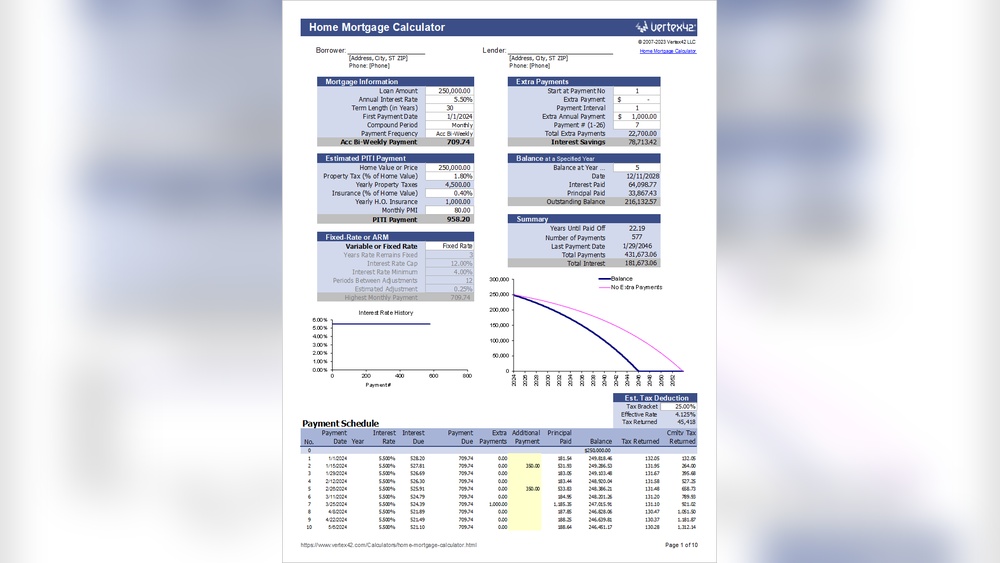
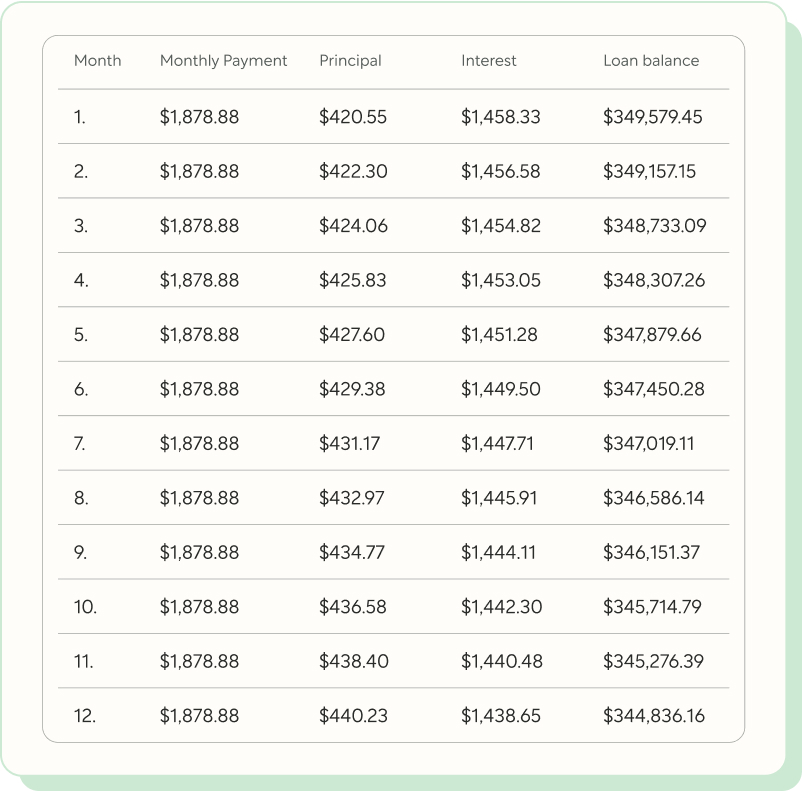
Refinance calculators estimate monthly payments and total interest. Enter the loan amount, interest rate, and loan term. This tool helps compare costs across different refinance options. It makes complex math simple for everyone.
Reading rate charts helps spot trends over time. Charts display changes in interest rates by week or month. This info helps decide the best time to refinance. Watching these charts can save money by refinancing at a lower rate.
How To Qualify For Best Rates
Improving your credit profile is key to get the best refinance rates. Pay bills on time and lower credit card balances. Check your credit report for errors and fix them quickly. A higher credit score often leads to lower interest rates.
Income and debt affect your loan approval. Lenders want to see stable income and manageable debt. Keep your debt-to-income ratio below 43%. More income and less debt increase your chances.
| Factor | What Lenders Look For |
|---|---|
| Home Equity | More equity means better rates. Aim for at least 20% equity. |
| Appraisal | A good appraisal value supports your refinance. It confirms your home’s worth. |
Benefits Of Refinancing
Lower monthly payments help ease financial stress. Refinancing can reduce interest rates, making payments smaller. This saves money every month and improves budgeting.
Shortening loan terms means paying off the loan faster. This reduces total interest paid over time. Though monthly payments might be higher, the loan ends sooner.
Switching loan types offers more flexibility. Moving from an adjustable-rate to a fixed-rate loan locks in steady payments. This protects against rising interest rates and adds peace of mind.
Common Refinance Costs
Closing fees include costs like appraisal, title search, and loan application. These fees vary by lender and location. They can add up to thousands of dollars. Knowing these fees helps avoid surprises.
Prepayment penalties may apply if the original loan is paid off early. Some lenders charge a fee for refinancing too soon. This penalty can reduce or erase your savings.
Costs might be higher than the savings from a lower rate. Calculate all fees before deciding to refinance. Sometimes staying with the current loan is better. Always compare total costs, not just monthly payments.
Timing Your Refinance
Signs to refinance now include a drop in interest rates by at least 0.5%. If your credit score improves, you might qualify for better terms. Rising home values can also be a good reason to refinance. Consider refinancing if you want to switch from an adjustable-rate to a fixed-rate loan for stability.
Market trends to watch include the Federal Reserve’s decisions on interest rates. Pay attention to economic reports on inflation and employment, as these influence mortgage rates. Also, watch global events that can cause rate changes. Lenders may offer special deals during times of economic uncertainty.
Seasonal rate fluctuations often occur during spring and summer when more people buy homes. Rates may be higher due to demand. Fall and winter can bring lower rates and less competition. Refinancing in slower seasons might save money on closing costs and get better offers.
Avoiding Refinance Pitfalls
Hidden fees can make refinancing more expensive than expected. Watch for application fees, appraisal costs, and closing fees. These can add hundreds or thousands to your loan.
Rate locks promise a fixed rate but often have expiration dates. Missing the deadline means paying a higher rate. Always check how long the lock lasts and if there are fees for extension.
Scams and untrustworthy offers are common. Be cautious of lenders asking for upfront payments or pressure tactics. Use lenders with good reviews and proper licenses. Never share personal info before verifying.
Real-life Success Stories
Borrowers saved thousands by choosing the right refinance rates. Many reduced their monthly payments by switching to lenders with lower interest rates. Some paid off their loans faster, saving on total interest paid. Others used savings to improve their homes or invest elsewhere.
Smart refinancers learned to compare multiple offers. They checked fees, terms, and rates before deciding. Many improved their credit scores first to get better deals. Some refinanced when rates dropped, locking in savings early.
Mortgage experts advise to shop around and read all terms carefully. They recommend understanding how fees affect total costs. Experts suggest refinancing only when the benefits outweigh the costs. Timing and patience often lead to bigger savings.
Frequently Asked Questions
What Is The Best Way To Compare Refinance Rates?
The best way to compare refinance rates is by using online rate comparison tools. These tools aggregate current offers from multiple lenders. They help you find the lowest rates and best terms quickly. Always check lender reviews and fees alongside rates for a full picture.
How Often Do Refinance Rates Change?
Refinance rates can change daily based on market conditions and economic factors. Interest rates fluctuate due to Federal Reserve policies, inflation, and demand. It’s wise to monitor rates regularly if you plan to refinance soon. Locking in a rate can protect you from sudden increases.
What Factors Affect My Refinance Rate?
Your credit score, loan amount, property type, and loan term affect refinance rates. Higher credit scores usually get better rates. Loan-to-value ratio and debt-to-income ratio also impact your rate. Lenders assess these to determine your risk and offer competitive pricing.
Are There Fees When Refinancing A Mortgage?
Yes, refinancing typically involves fees like application, appraisal, and closing costs. These fees vary by lender and loan type. Some lenders offer “no-cost” refinancing but often build fees into the interest rate. Always compare total costs, not just rates, before deciding.
Conclusion
Finding the best refinance rate saves you money over time. Compare offers from several lenders before deciding. Small rate differences can mean big savings. Keep your credit score strong for better chances. Act carefully and review all loan terms. Smart choices make refinancing work well for you.
Stay informed and take your time to choose.
Read More
- Fixed Refinance Apr Offers: Unlock Low Rates & Save Big Today
- Refinance Rate Estimate Online: Unlock Savings with Fast Quotes
- Refinance Upside down Car Loan: Unlock Savings and Lower Rates Today
- Auto Loan Apr Reduction: Unlock Huge Savings Today!
- Vehicle Refinance Approval Online: Fast, Easy, and Guaranteed Tips
- No Closing Cost Refinance Rates: Unlock Savings Today!
- Refinance Payment Savings Calculator: Maximize Your Loan Savings Today
- Second Mortgage Refinance Guide: Unlock Savings and Boost Equity
- Mortgage Rate Reduction Program: Slash Your Payments Today!
- Home Mortgage Refinance Rates: Unlock Savings with Today’s Best Deals