Looking to lower your monthly mortgage payments without the hassle of upfront fees? No closing cost refinance rates could be exactly what you need.
Imagine refinancing your home loan and saving money without paying those often hefty closing costs out of pocket. Sound too good to be true? It’s not—if you understand how these rates work and what to watch out for. You’ll discover how no closing cost refinancing can benefit you, how it affects your interest rate, and whether it’s the right choice for your financial goals.
Keep reading to make a smart move that could save you thousands in the long run.
What Are No Closing Cost Refinance Rates?
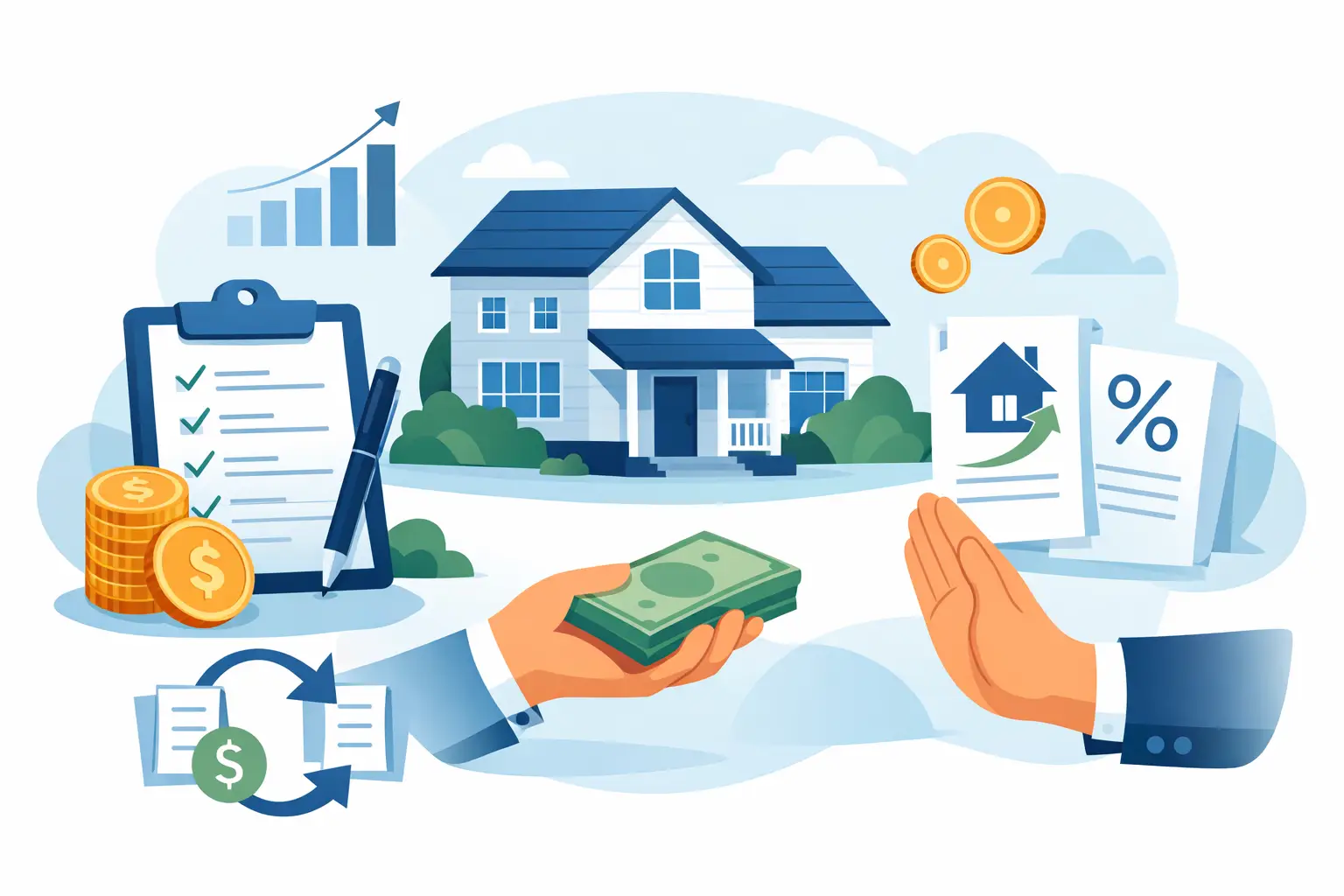
No closing cost refinance rates allow borrowers to refinance without paying upfront fees. Instead, lenders cover these costs. This is done by charging a slightly higher interest rate or adding fees into the loan balance. This means monthly payments may be a bit higher.
Borrowers save money at closing but might pay more over time. This option suits those who want to refinance without extra cash now. It also works well for people planning to sell or refinance again soon.
Understanding the trade-off between upfront fees and long-term costs helps make a smart choice. Always compare rates and terms from different lenders before deciding.
How No Closing Cost Refinances Work
No closing cost refinance means the lender pays your closing fees. Instead of paying upfront, you trade this for a higher interest rate. This means your monthly payments might be a bit more.
Lenders offer credits to cover costs like appraisal, title, and underwriting fees. These credits lower what you pay out-of-pocket at closing.
You can also choose to add the closing costs to your loan balance. This makes your loan amount bigger but avoids paying cash now.
| Option | How It Works | Effect on Loan |
|---|---|---|
| Lender Credits | Lender pays closing costs upfront | Higher interest rate, same loan balance |
| Loan Balance Increase | Closing costs added to loan amount | Loan balance increases, rate may stay same |
| Pay Closing Costs Upfront | You pay closing fees at closing | Lower interest rate, same loan balance |
Benefits Of No Closing Cost Refinances
No closing cost refinance saves money by cutting upfront fees. This means you pay less cash at the start, which helps your budget immediately. It can be easier to afford refinancing without big initial expenses.
The process is usually simpler and faster. Fewer payments and paperwork make refinancing less stressful. You get a new loan without worrying about many extra costs.
Lower upfront expenses help many homeowners refinance sooner. This can lead to better monthly payments and more financial freedom.

Drawbacks To Consider
No closing cost refinance may seem attractive but it has drawbacks. Over time, these loans can lead to higher long-term costs. This happens because lenders often charge a higher interest rate to cover the waived fees. As a result, you end up paying more interest over the life of the loan.
Monthly payments might also be higher than expected. The increased interest rate can raise your monthly mortgage bill, reducing your monthly savings. It is important to calculate these changes before choosing this option.
Loan term changes can affect your payoff time. Some no closing cost loans extend the loan term, causing you to pay interest longer. Other times, the loan amount increases because fees are added to the principal balance. Both can increase total costs.
Comparing No Closing Cost Rates
Current no closing cost refinance rates vary by market conditions and lender policies. Rates tend to be slightly higher than traditional loans because lenders cover closing fees upfront. Regional differences matter. For example, rates in Austin, Texas may differ from those in New York due to local housing markets and state regulations.
Lenders may offer unique deals to attract borrowers. Some provide credits to offset closing costs, while others bundle fees into the loan balance. It’s important to check each lender’s specific offers carefully. Comparing rate sheets from banks like PNC Bank or mortgage services like Rocket Mortgage can help find the best fit.
| Region | Typical No Closing Cost Rate | Notes |
|---|---|---|
| Austin, TX | 3.75% – 4.25% | Higher housing demand affects rates |
| New York, NY | 3.60% – 4.10% | More lender competition lowers rates |
| Chicago, IL | 3.70% – 4.20% | Moderate market and fees |
How To Calculate True Savings
Factoring interest rate differences means comparing your current loan rate to the new refinance rate. A lower rate usually means lower monthly payments. But sometimes, a no closing cost refinance has a slightly higher rate. This helps the lender cover your fees. You must check if the interest savings beat the extra cost over time.
Closing costs vs. loan term: Closing costs are fees paid at the start. No closing cost refinance means you pay these fees over time through a higher rate or loan balance. The length of your loan matters. A longer loan term means more time to save on monthly payments. A shorter loan might not save enough to cover the costs.
Break-even point analysis helps find when your savings cover the refinance costs. Divide your total closing costs by monthly savings. The result is the months needed to break even. If you plan to stay in the home longer than this, refinancing could save money. If not, refinancing might cost more in the end.
Finding The Best No Closing Cost Refinance Deals
Online rate tools help compare no closing cost refinance rates fast. You can enter your loan details and see many offers side by side. These tools often show the interest rates, monthly payments, and lender credits. They save time and make it easy to find the best deal.
Consulting mortgage experts adds value. Experts explain how lender credits work. They can clarify if a higher interest rate means lower upfront costs. Experts help you understand long-term savings versus immediate expenses. They also answer questions about loan terms and fees.
Evaluating local lenders gives a personal touch. Local lenders may offer better rates or special deals. You can visit their offices or call for details. Local lenders might be more flexible with credit scores and income verification. Comparing local offers ensures you don’t miss valuable options.
Is No Closing Cost Refinance Right For You?
Assessing Financial Goals: Think about your main reason for refinancing. Do you want to lower monthly payments or pay off your loan faster? Knowing your goal helps decide if no closing cost refinance suits you.
Considering Loan Duration: A no closing cost refinance usually means a higher interest rate. If you plan to stay in the home for a short time, this option may save money. For longer stays, paying closing costs upfront might be better.
Weighing Upfront vs. Long-Term Costs: No closing cost refinance means fees are added to the loan or interest rate. This can increase your total payment over time. Compare total costs carefully before choosing this option.
Steps To Lock In No Closing Cost Rates
Get pre-approved to know your borrowing limit and rate options. This step shows lenders you are serious and helps lock rates faster.
Choose a rate lock option to protect your interest rate from rising. Rate locks usually last from 30 to 60 days. Pick one that fits your timeline.
Gather all necessary documents like income proof, tax returns, and credit reports. Submit a complete application to avoid delays and speed up approval.

Frequently Asked Questions
Is There A Way To Refinance Without Paying Closing Costs?
Yes, you can refinance without paying closing costs by choosing a no-closing-cost refinance option. Lenders usually charge a higher interest rate or add fees to the loan balance. This approach avoids upfront fees but may increase your long-term loan cost.
Always compare offers carefully.
What Is The 2% Rule For Refinancing?
The 2% rule for refinancing means your new mortgage’s closing costs should not exceed 2% of your loan amount. This helps ensure refinancing saves money over time.
Can A 70 Year Old Woman Get A 30 Year Mortgage?
Yes, a 70-year-old woman can get a 30-year mortgage. Lenders consider income, credit, and repayment ability.
Who Has The Lowest Refinance Closing Costs?
Credit unions and online lenders typically offer the lowest refinance closing costs. They provide competitive rates and lender credits to reduce upfront fees. Comparing offers from multiple lenders ensures you find the best deal tailored to your loan size and location.
Conclusion
No closing cost refinance rates can save you money upfront. Choose carefully between higher rates or rolled-in fees. Compare offers from different lenders to find the best deal. Understanding these options helps lower your monthly payments. Take time to review terms before making a decision.
Refinancing can improve your financial situation if done right. Keep your goals clear and shop smart for success.
Read More
- Best Refinance Rate Comparison: Unlock Top Savings Today
- Fixed Refinance Apr Offers: Unlock Low Rates & Save Big Today
- Refinance Rate Estimate Online: Unlock Savings with Fast Quotes
- Refinance Upside down Car Loan: Unlock Savings and Lower Rates Today
- Auto Loan Apr Reduction: Unlock Huge Savings Today!
- Vehicle Refinance Approval Online: Fast, Easy, and Guaranteed Tips
- Refinance Payment Savings Calculator: Maximize Your Loan Savings Today
- Second Mortgage Refinance Guide: Unlock Savings and Boost Equity
- Mortgage Rate Reduction Program: Slash Your Payments Today!
- Home Mortgage Refinance Rates: Unlock Savings with Today’s Best Deals