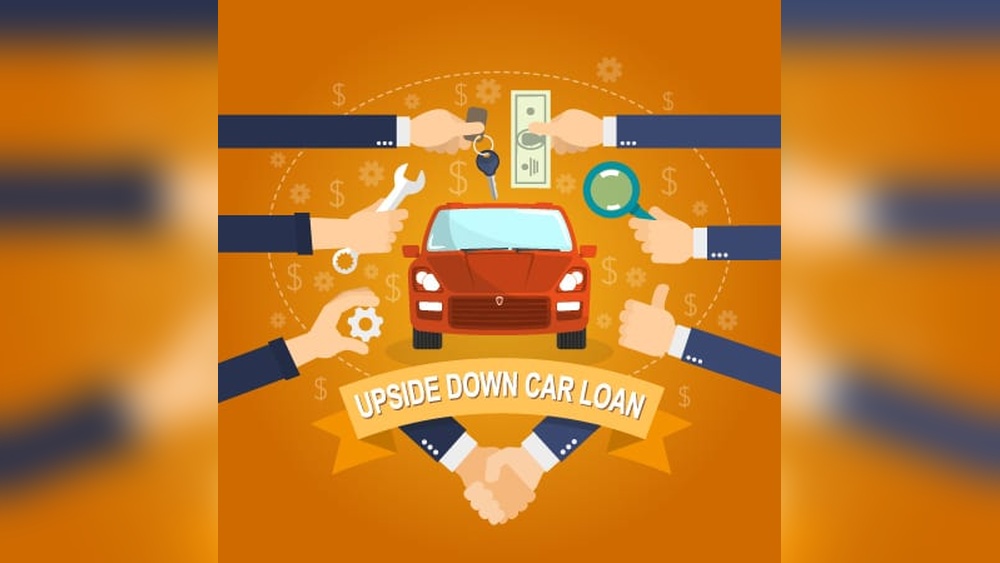
Are you stuck with a car loan that’s bigger than your car’s value? Being upside down on your auto loan can feel like a financial trap, making it hard to sell or refinance your vehicle.
But here’s the good news: you don’t have to stay stuck. Refinancing an upside down car loan can be a smart move to lower your monthly payments, reduce your interest rate, or even find a way out of negative equity altogether.
You’ll discover practical steps and insider tips to take control of your car loan situation. Keep reading to learn how you can turn your upside down loan into a fresh start and regain financial freedom.

What Is An Upside Down Car Loan?
An upside down car loan means you owe more on your car than it is worth. This is also called negative equity. It happens when the car’s value drops faster than you pay off the loan. New cars lose value quickly in the first few years.
Negative equity can occur due to:
- Buying a car with a small or no down payment
- Long loan terms that reduce monthly payments but increase interest
- Driving a car that depreciates faster than average
- Accidents or damage lowering the car’s value
Risks include owing more than the car sells for if you trade or sell. It can also make refinancing harder and increase loan costs. Ending a loan early might cause a loss if the car’s value is less than the loan balance.
Benefits Of Refinancing An Upside Down Loan
Lower interest rates make refinancing an upside down loan helpful. It can reduce the cost of borrowing. Reduced monthly payments help ease your budget strain. Paying less each month brings relief and more control over finances.
Improved loan terms often come with refinancing. This might include a longer repayment period. A longer term means smaller payments, but it could increase total interest paid. Choose terms that balance payment size and total cost wisely.
| Benefit | Explanation |
|---|---|
| Lower Interest Rates | Refinancing may offer better rates than your original loan. |
| Reduced Monthly Payments | Smaller payments free up money for other needs. |
| Improved Loan Terms | New terms can provide more payment flexibility and time. |
Refinancing Options For Negative Equity
Refinancing an upside down car loan means your loan balance is higher than the car’s value. Standard auto refinance can help lower your interest rate. This may reduce monthly payments but might not cover negative equity.
Personal loans can pay off your auto loan fully. This changes your car loan into an unsecured loan. You get the title and can sell the car if needed. Personal loans usually have higher interest rates than auto refinance.
Specialized lenders and credit unions often offer better terms for negative equity situations. They might approve loans with higher loan-to-value ratios. Credit unions tend to have lower rates and flexible repayment options.

Strategies To Manage Negative Equity
Making a Lump Sum Payment helps reduce the negative equity quickly. Pay the difference between your car’s value and what you owe. This lowers your loan balance and makes refinancing easier. Even a small lump sum can improve your position.
Rolling Negative Equity Into a New Loan means adding what you owe on your current car to your new loan. This raises your loan amount and monthly payments. Choose this option only if you expect your car’s value to rise soon. Otherwise, it may increase your debt.
Leasing as an Alternative lets you drive a new car without owning it. You avoid long-term negative equity because you don’t buy the car. Leasing can have lower monthly payments but no ownership at lease end. Good option for short-term driving needs.
Qualifying For A Refinance With Bad Credit
Improving your credit score helps increase refinance chances. Pay bills on time every month. Keep credit card balances low. Avoid opening many new accounts quickly. Check your credit report for errors and fix them. Even small score improvements can help.
Some lenders have flexible criteria for bad credit. Credit unions and online lenders often offer more options. Look for lenders who accept lower credit scores. They may require higher interest rates or larger down payments.
| Documentation Needed | Purpose |
|---|---|
| Proof of income | Shows ability to repay the loan |
| Current loan statement | Details existing loan balance |
| Vehicle information | Confirms car details and value |
| Credit report | Assesses credit history and score |
Step-by-step Refinance Process
Assess your loan and vehicle value carefully. Know how much you owe and your car’s current worth. This helps you understand your loan-to-value ratio. A high ratio means you owe more than the car’s value, which is called being upside down.
Shop around for lenders to find the best refinance deal. Compare interest rates, terms, and fees. Some lenders specialize in upside down loans. Getting multiple offers increases your chances of approval and better terms.
Submit your application and review offers. Provide all required documents like income proof and loan details. Once offers arrive, compare them carefully. Look for lower monthly payments and interest rates that fit your budget.
Finalize and close refinance by signing new loan papers. Your old loan will be paid off with the new one. Make sure you understand the new terms before signing. After closing, start making payments on your new loan.
Common Mistakes To Avoid
Ignoring fees and penalties can cost you more during refinancing. Many loans have early repayment fees or administration charges. These extra costs can reduce the savings from refinancing. Always check the loan terms carefully before applying.
Refinancing too soon after buying a car may not help. The loan balance is still high, and the car’s value might have dropped. This means you could stay upside down even after refinancing. Waiting a bit longer might be better.
Overextending loan terms makes monthly payments lower but can cost more in the long run. A longer loan means paying more interest overall. It also keeps you in debt for a longer time. Try to find a balance between payment size and loan length.

Resources And Tools
Online refinance calculators help estimate new loan payments. They show possible savings and monthly costs. Use these tools to compare lender offers. Enter your loan balance, interest rate, and term length. Results reveal if refinancing is smart for your situation.
| Recommended Lenders | Features |
|---|---|
| LightStream | Low rates, fast approval, no fees |
| Capital One | Flexible terms, online tools, easy application |
| Bank of America | Competitive rates, customer support, mobile app |
Credit score monitoring services track your credit health. Knowing your score helps find better refinance rates. Many sites offer free alerts and tips. Regular checks catch errors early. This can improve loan chances and save money.
Frequently Asked Questions
Can You Refinance A Car Loan That Is Upside Down?
Yes, you can refinance an upside-down car loan. Consider a personal loan or lenders who accept high loan-to-value ratios.
What Is The $3000 Rule For Cars?
The $3000 rule for cars suggests avoiding buying a vehicle priced over $3000 above your budget. It helps prevent excessive debt and negative equity. This rule guides buyers to choose affordable cars, reducing financial risk and loan upside-down situations.
Is There A Way To Get Out Of An Upside Down Car Loan?
Yes, you can get out of an upside down car loan by refinancing, paying the difference, or using a personal loan. Some lenders offer special refinancing options for negative equity. Selling the car privately or rolling negative equity into a new loan are also possible solutions.
Can You Roll $15000 Negative Equity Into A New Car?
Yes, you can roll $15,000 negative equity into a new car loan. Dealers may add it to your new loan balance. This increases your monthly payments and overall debt. Ensure you understand the financial impact before proceeding.
Conclusion
Refinancing an upside down car loan is challenging but doable. Weigh your options carefully before deciding. Use savings to reduce your loan balance if possible. Consider personal loans to separate debt from the car’s value. Look for lenders who accept higher loan-to-value ratios.
Keep your credit score strong to improve approval chances. Taking action early can save money and stress later. Stay informed and choose the best path for your situation. Small steps can lead to financial relief over time.